How Licensing Standards Influence Slot Volatility Trends in Mobile Live Dealer Formats on Nordic Platforms
Kirjoittanut Petra Jenkins · 9.10.2026
How Licensing Standards Influence Slot Volatility Trends in Mobile Live Dealer Formats on Nordic Platforms
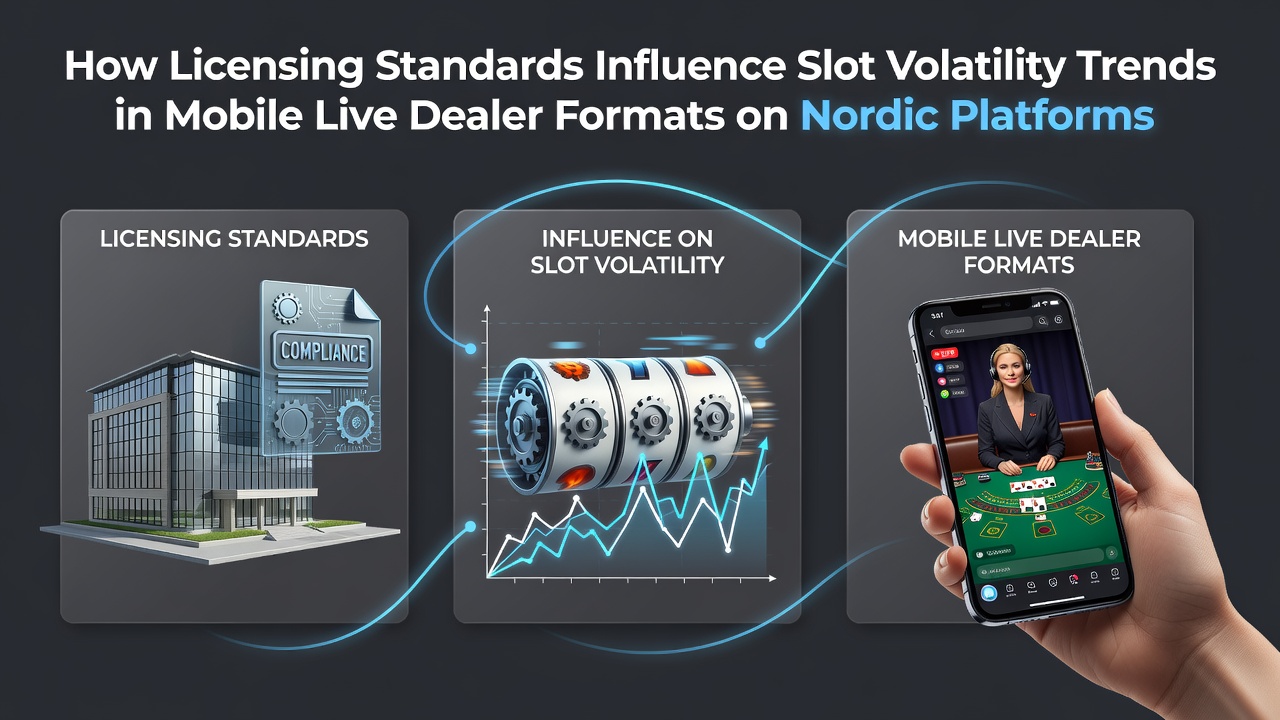
Regulatory frameworks across Nordic countries establish clear parameters for game mechanics, return-to-player percentages, and fairness testing that directly shape the volatility profiles available in mobile live dealer slot offerings. Platforms operating under licenses from bodies such as Spelinspektionen in Sweden and the Danish Gambling Authority must adhere to standardized certification processes that evaluate random number generators and payout distributions before any title reaches players. These requirements create measurable effects on how developers calibrate high-volatility versus low-volatility options within live dealer environments accessed via smartphones and tablets.
Nordic Licensing Structures and Their Core Requirements
Each jurisdiction maintains distinct yet overlapping rules that operators follow when deploying slot content in mobile live dealer formats. Swedish regulations, updated through successive amendments, mandate independent testing of volatility parameters alongside RTP verification, while Danish standards emphasize ongoing compliance audits that track session-level payout patterns. Operators therefore adjust volatility curves to satisfy both local thresholds and cross-border player expectations. Data compiled by the Swedish Gambling Authority through 2025 shows consistent application of these tests across hundreds of mobile titles, resulting in narrower ranges for extreme volatility settings compared with less regulated markets.
Volatility Calibration in Mobile Live Dealer Slots
Live dealer integrations add real-time elements such as hosted bonus rounds and shared jackpot triggers that interact with underlying slot volatility. Licensing standards require transparent disclosure of these mechanics during certification, which influences how studios design hit frequency and bonus trigger rates. In practice, platforms limit maximum volatility multipliers on mobile sessions to maintain compliance with responsible gaming provisions embedded in Nordic licenses. Observers note that titles released after the 2024 harmonization efforts display more clustered volatility bands, particularly in games combining live host interactions with traditional reel mechanics.
Observed Trends Through October 2026
By October 2026, aggregated reports from licensed Nordic platforms indicate a gradual shift toward medium-volatility configurations in mobile live dealer slots. Certification bodies now require simulation data covering at least one million spins per title, revealing tighter control over variance during extended play sessions. This data-driven approach has prompted developers to reduce the incidence of ultra-high volatility options that previously dominated early live dealer adaptations. Instead, many new releases incorporate adjustable volatility sliders that remain within regulator-approved bands, allowing players to select preferences while operators stay within licensing boundaries.
Impact on Player Session Dynamics and Platform Offerings
Mobile-specific constraints such as screen size and touch interface further interact with licensing rules, encouraging developers to favor volatility levels that support shorter, more frequent sessions. Research from the European Gaming Institute indicates that platforms under Nordic oversight display lower average variance in payout distributions during live dealer events compared with equivalent titles on unregulated sites. Operators respond by curating libraries where volatility profiles align with both technical certification and mobile performance benchmarks, resulting in broader availability of medium-volatility games that balance engagement with regulatory expectations.
Comparative Data Across Jurisdictions
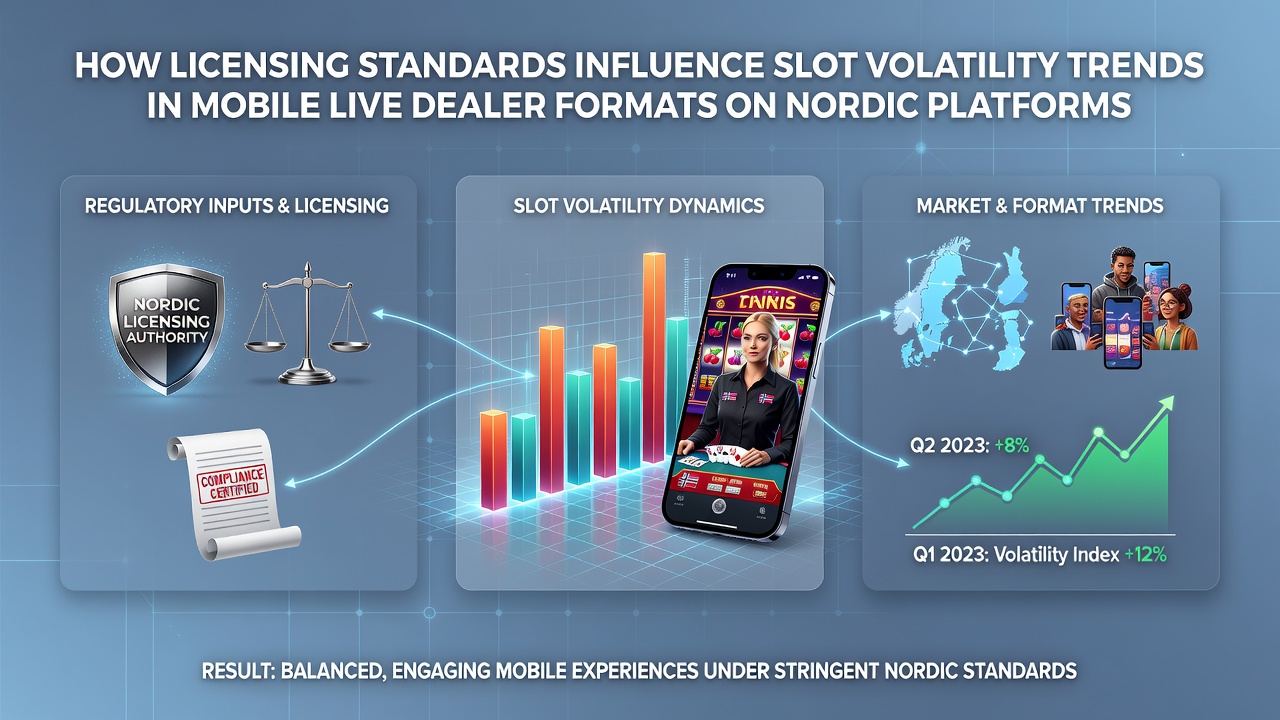
Analysis of deployment patterns shows that Finnish and Norwegian platforms, operating under their respective licensing regimes, exhibit similar moderation in volatility offerings once titles undergo full compliance review. Figures released by the Norwegian Gaming Authority in mid-2026 highlight a 12 percent reduction in high-volatility mobile live dealer slots over teh preceding eighteen months, attributed directly to enhanced simulation requirements. These adjustments occur alongside parallel developments in Denmark and Sweden, where cross-licensing recognition facilitates consistent standards while preserving regional distinctions in testing protocols.
Conclusion
Licensing standards in Nordic markets continue to steer slot volatility trends within mobile live dealer formats through mandatory testing, disclosure rules, and ongoing audits. Platforms adapt their catalogs accordingly, producing measurable convergence around approved volatility ranges that reflect both regulatory priorities and technical mobile considerations. As certification processes evolve, the relationship between licensing frameworks and volatility patterns remains a central factor in how operators present these games to players across the region.