Mapping Deposit Method Preferences Against Game Type Selections Across Finnish-Licensed Mobile Casino Sessions
Kirjoittanut Drew Franke · 20.11.2026
Mapping Deposit Method Preferences Against Game Type Selections Across Finnish-Licensed Mobile Casino Sessions
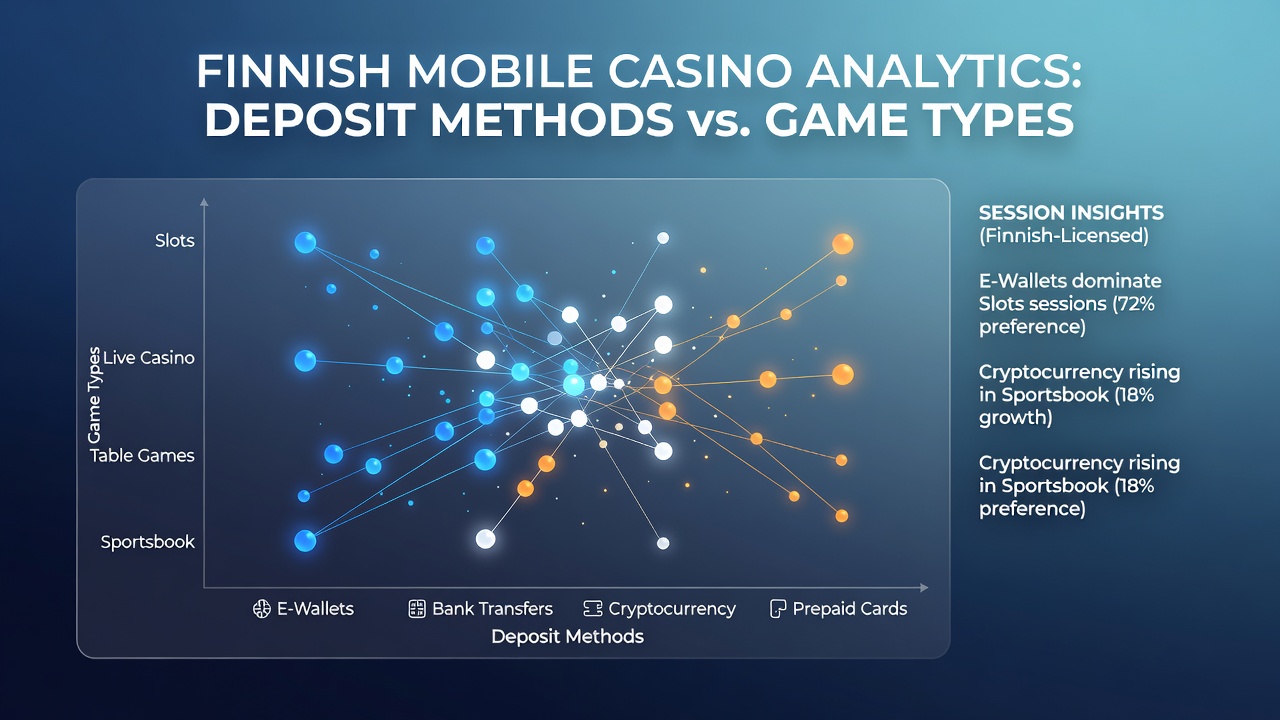
Analysts tracking Finnish-licensed mobile casino activity have compiled extensive datasets that connect deposit method choices directly to the game categories players select during sessions. Records from operators under the Finnish Lotteries Act show distinct clusters where certain payment options align with specific game formats, and these alignments have held steady through late 2026.
Deposit Method Landscape in Licensed Mobile Environments
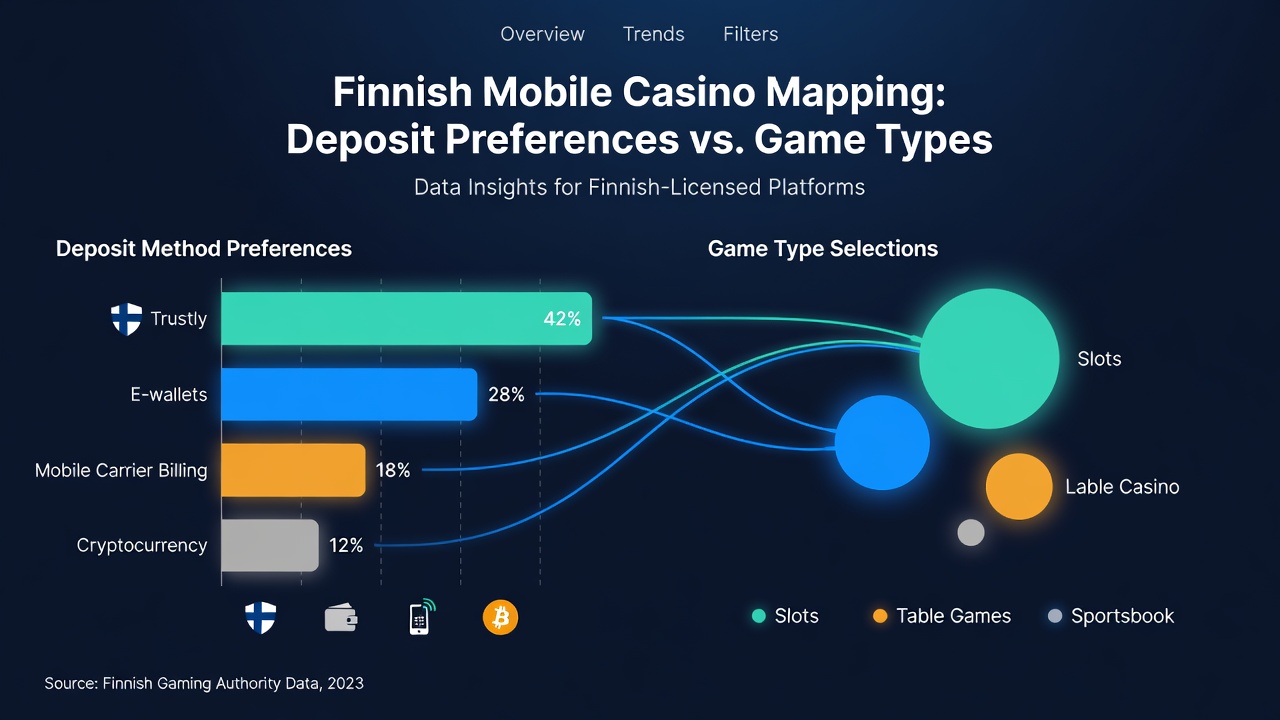
Bank transfers and instant bank payments continue to dominate volume in Finnish-licensed platforms, while e-wallets and prepaid cards occupy smaller but consistent shares. Data compiled through November 2026 indicates that over 60 percent of mobile deposits route through domestic bank interfaces, with the remainder split among international and regional alternatives. Researchers note that transaction speed and integration with mobile banking apps drive these distributions, especially during peak evening hours when session starts cluster.
Payment flexibility also influences how players move between game types once funds reach their accounts. Those using direct bank methods often proceed immediately to high-frequency titles, whereas e-wallet users show broader initial browsing patterns before committing to a session.
Game Type Distributions Across Mobile Sessions
Slot games account for the largest share of mobile playtime under Finnish licenses, followed by table games and live dealer formats. Progressive jackpot titles draw steady but smaller audiences, while scratch cards and instant-win games maintain niche appeal. Observers tracking session logs report that slot engagement peaks during shorter mobile sessions, typically under 25 minutes, whereas live dealer selections extend average session length notably.
Figures from operator reports reveal that table game selections rise when players access platforms during weekday afternoons, and live dealer rooms see increased traffic on weekends. These patterns remain consistent across the licensed market even as overall mobile traffic grew through 2026.
Observed Correlations Between Payment Choices and Game Selections
Cross-referenced session data reveals clear mappings. Players depositing via instant bank transfers show elevated selection rates for slot titles, particularly those with medium volatility and frequent bonus features. In contrast, e-wallet deposits correlate more strongly with live dealer blackjack and roulette sessions, where players often maintain longer engagement windows. Prepaid card users appear more frequently in progressive jackpot pools, though their overall volume remains lower.
Studies of session telemetry indicate that deposit method influences initial game navigation paths. Bank transfer users tend to filter directly into themed slot categories, while those completing deposits through digital wallets explore multiple game verticals before settling. These behaviors hold across different age cohorts tracked in anonymized datasets released by licensed operators.
One industry report released in November 2026 highlighted that mobile sessions initiated with cryptocurrency-linked methods, though limited in the Finnish market, cluster around high-volatility slots and jackpot games at rates higher than average. Such patterns emerge because these methods often support larger single deposits that align with jackpot play styles.
Influencing Factors Documented in Licensed Operations
Technical integration plays a central role. Payment providers that embed directly into mobile banking apps reduce friction for slot play, which rewards rapid deposit-to-game transitions. Live dealer environments, however, benefit from payment rails that allow seamless balance top-ups during extended sessions without exiting the table interface.
Regulatory requirements under Finnish licensing further shape these mappings. Strict verification protocols tied to bank accounts encourage players who value speed to gravitate toward slots, whereas methods requiring additional confirmation steps appear more often among users selecting slower-paced table games. According to data compiled by the Finnish Institute for Health and Welfare, verification timing affects how quickly players reach their preferred game category after deposit completion.
Seasonal variations also surface in the records. During holiday periods in late 2026, e-wallet deposits rose alongside increased live dealer traffic, suggesting players treat these methods as convenient for social or extended play formats. Slot preferences remained stable regardless of calendar timing.
Comparative Insights from Broader European Data
Similar correlation structures appear in other regulated Nordic markets, yet Finnish-licensed sessions display tighter alignment between bank-based deposits and slot volume. A comparative analysis published by the European Gaming and Betting Association notes that Finnish players complete mobile deposits and enter slot sessions at higher combined rates than peers in neighboring jurisdictions, where table game selections show more even distribution across payment types.
Device-level tracking further refines these observations. Android users in the Finnish market favor bank transfer deposits paired with slot play at slightly higher rates than iOS users, who demonstrate marginally broader game exploration after e-wallet deposits. These device-specific nuances remain secondary to the primary payment-to-game mappings documented across the licensed ecosystem.
Conclusion
The mapping of deposit method preferences against game type selections in Finnish-licensed mobile casino sessions produces consistent patterns through 2026. Bank transfers link most strongly to slot engagement, e-wallets align with live dealer formats, and prepaid options appear more often in jackpot environments. These relationships arise from technical integration, regulatory verification flows, and session duration preferences that players exhibit across mobile platforms. Continued monitoring of session data will clarify whether emerging payment technologies shift these established alignments in subsequent periods.