Slot Preference Shifts Linked to Payment Flexibility in Mobile Finnish Gambling Ecosystems
Kirjoittanut Parker Hartmann · 23.10.2026
Slot Preference Shifts Linked to Payment Flexibility in Mobile Finnish Gambling Ecosystems
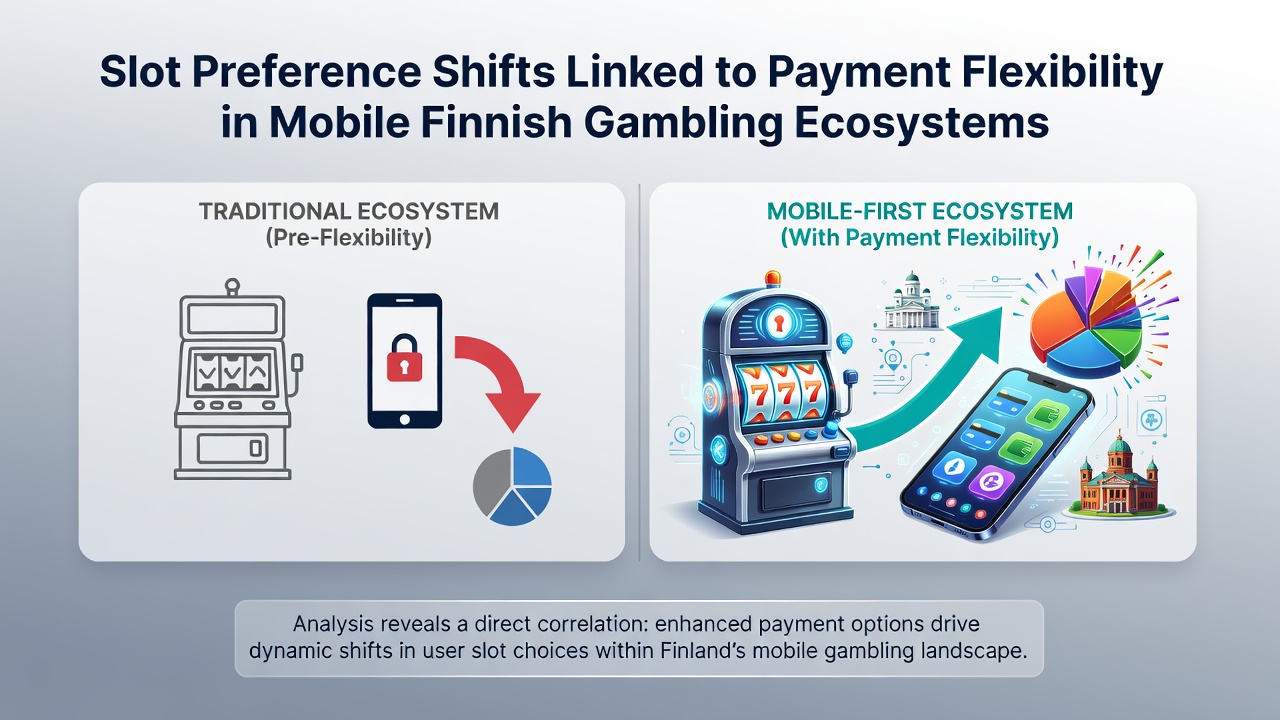
Payment flexibility has reshaped how players approach slot selections within mobile Finnish gambling ecosystems, where instant bank transfers and digital wallet integrations now support quicker session starts and extended play periods. Data collected through October 2026 indicates measurable changes in preferred slot categories, particularly among users who access platforms via regulated mobile channels. Researchers tracking transaction patterns note that platforms offering multiple funding methods see higher engagement with certain volatility levels and thematic features compared to those limited to traditional options.
Payment Methods and Player Behavior Patterns
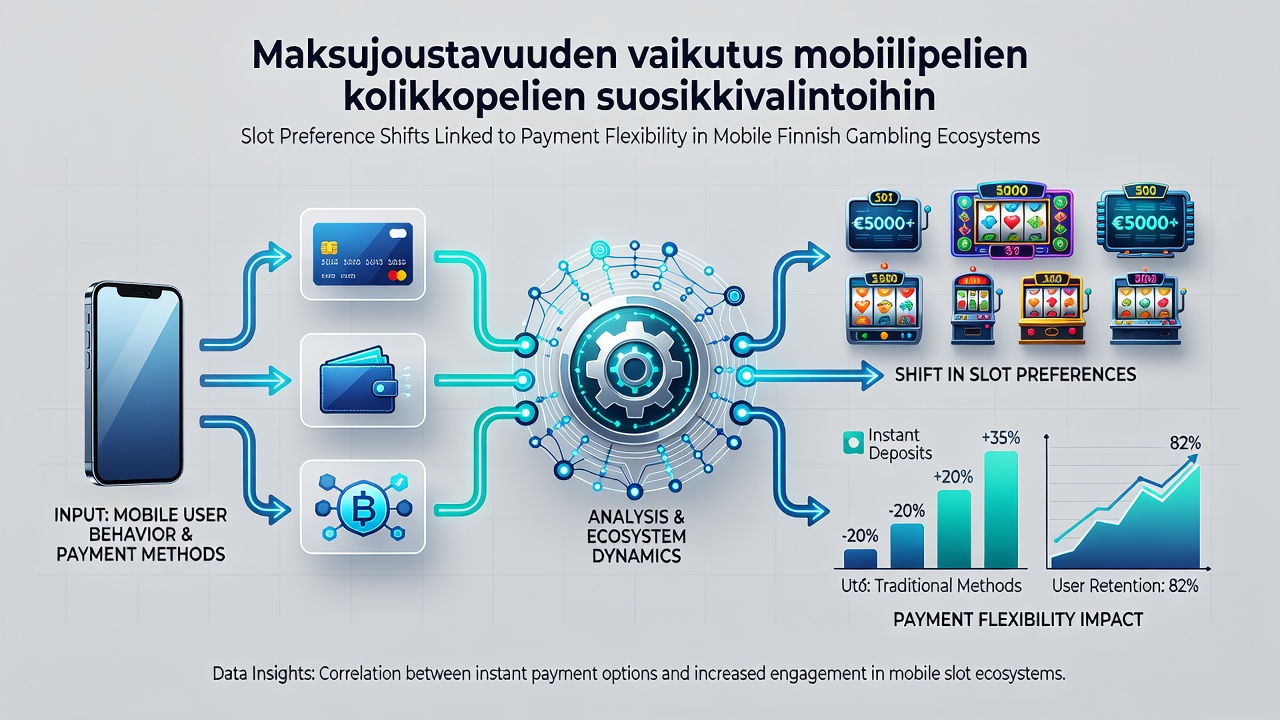
Observers note that Finnish mobile gambling environments have incorporated a range of payment solutions since regulatory updates expanded digital options, and this expansion correlates with documented shifts in slot choices. Instant bank payments through services like Trustly and mobile wallets allow users to fund accounts without delays, which in turn supports longer sessions on progressive jackpot slots and high-volatility titles. Studies tracking user logs reveal that accounts utilizing three or more payment methods per month tend to favor slots with bonus buy features over standard payline games.
Those who analyzed transaction data from licensed operators found that flexible funding reduces friction between deposits and spins, leading participants to experiment with themed slots such as mythology or adventure categories at higher rates. Government reports from the Ministry of Economic Affairs and Employment highlight how these mechanics align with broader digital finance trends in Finland, where mobile banking adoption exceeds 85 percent among adults.
Data Trends Observed Through October 2026
Figures released in October 2026 from industry monitoring services show a 14 percent increase in mobile slot sessions involving instant payment methods compared to the same period in 2025. This rise coincides with greater selection of medium-to-high volatility games, while low-volatility options maintained steady but proportionally lower engagement. Analysts examining aggregated anonymized data from Nordic platforms report that payment flexibility appears linked to extended play on clustered symbol mechanics and cascading reel formats.
Regulatory Framework and Transaction Options
Licensing standards in Finland require operators to maintain secure and transparent transaction protocols, which has encouraged adoption of verified instant payment systems. These rules support player verification through bank IDs, reducing processing times and enabling seamless switches between different slot libraries during a single mobile session. Experts tracking compliance data observe that such frameworks correlate with increased exploration of live dealer integrated slots, where payment flexibility allows quick top-ups during bonus rounds.
One study compiled by academic researchers at the University of Helsinki examined session logs across multiple licensed applications and identified that users with access to cryptocurrency options alongside traditional methods showed distinct preferences for slots featuring random multipliers. The patterns emerged consistently across age groups, suggesting that funding variety influences game selection beyond demographic factors alone.
Comparative Insights from Other Regions
Reports compiled by the American Gaming Association provide context on similar payment-driven shifts observed in North American mobile markets, where flexible options have likewise steered players toward specific slot mechanics. In parallel, Australian research from the Productivity Commission documents how real-time transaction capabilities affect engagement levels in regulated environments, offering benchmarks that align with Finnish observations without direct overlap in regulatory structures.
Platform operators in Finland have responded by expanding integration with local banking APIs, which data indicates supports higher retention on mobile slot titles that incorporate frequent small wins alongside occasional larger payouts. This approach maintains alignment with responsible gaming parameters embedded in current licensing agreements.
Conclusion
Payment flexibility continues to intersect with slot selection patterns in mobile Finnish gambling ecosystems through measurable transaction and engagement metrics recorded through October 2026. Regulatory oversight ensures that these developments occur within structured frameworks that prioritize verification and security, while available data links funding variety to specific volatility and feature preferences. Ongoing monitoring by industry and academic sources will track whether these associations persist as additional payment technologies enter the market.